Best Allergy & Asthma Treatment Centre In Kolkata: Expert Care For Allergy, Asthma & Immunotherapy | Mediguide India
- 14th July, 2026
- 0 Comments
- 5
- Education

Best Allergy & Asthma Treatment Centre in Kolkata
Allergies and asthma are among the fastest-growing chronic health conditions worldwide. According to the World Health Organization (WHO), millions of people experience respiratory allergies, allergic rhinitis, eczema, food allergies, and asthma that affect their daily activities, sleep, work, and overall quality of life. In India, rapid urbanization, increasing air pollution, changing lifestyles, environmental allergens, and climate variations have contributed to a significant rise in allergic diseases.
Kolkata, one of India's largest metropolitan cities, experiences high humidity, seasonal pollen exposure, dust pollution, vehicle emissions, and industrial pollutants. These environmental factors often trigger allergies and asthma, especially in children, older adults, and individuals with pre-existing respiratory conditions. Common complaints such as recurrent sneezing, blocked nose, chronic cough, wheezing, breathlessness, itchy eyes, skin rashes, and food-related allergic reactions should never be ignored.
Early diagnosis and treatment are essential to prevent complications. Identifying the underlying allergen, controlling exposure, and receiving appropriate medical care can significantly improve quality of life and reduce emergency hospital visits.
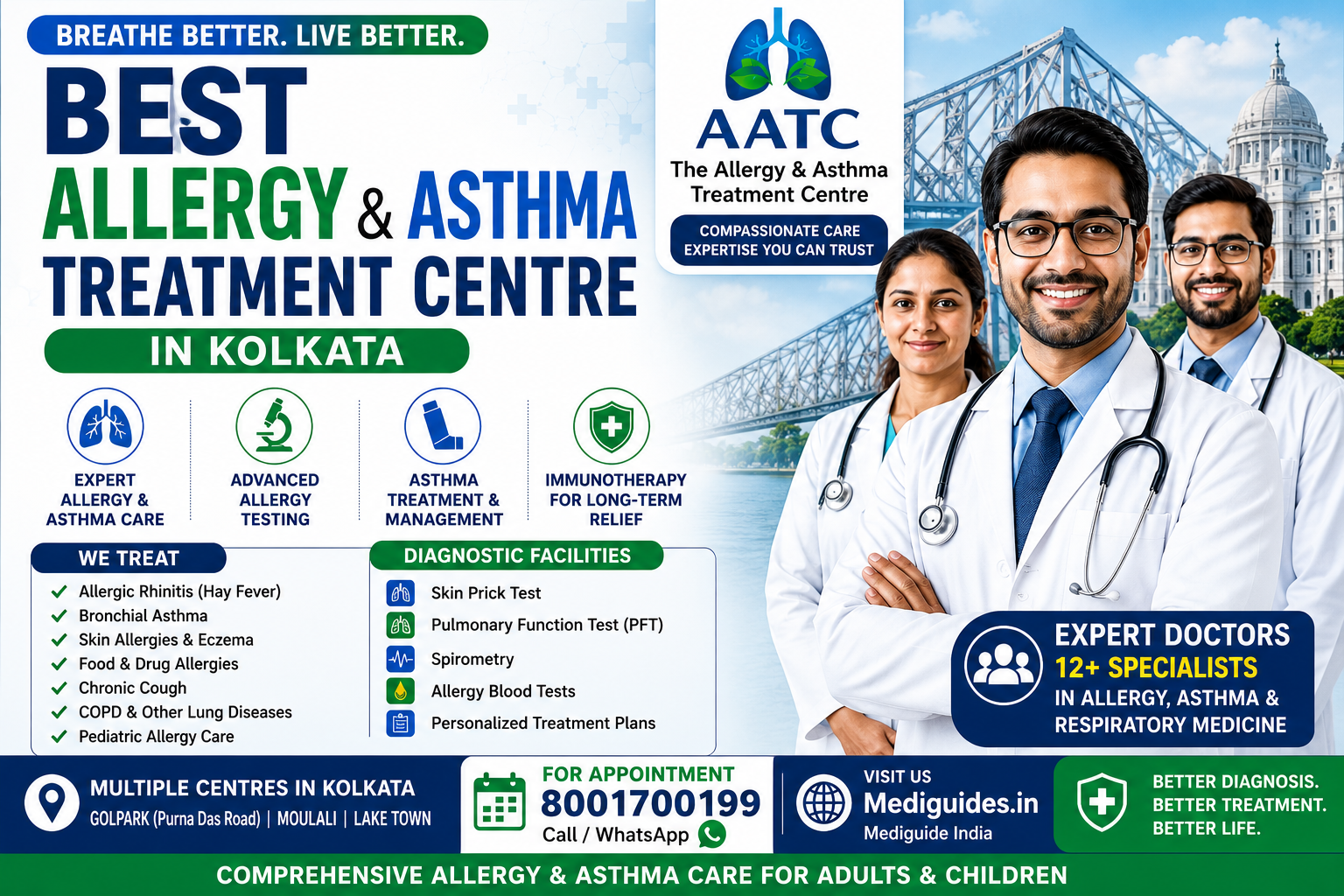
For individuals seeking specialized allergy and asthma care, The Allergy & Asthma Treatment Centre (AATC) in Kolkata offers dedicated evaluation and management for allergic and respiratory disorders. The centre provides services such as allergy assessment, respiratory medicine consultation, pulmonary function testing, and allergen immunotherapy, with treatment plans tailored to each patient's clinical needs.
This comprehensive guide explains everything you need to know about allergies, asthma, available diagnostic tests, treatment options, and the role of specialized care.
About The Allergy & Asthma Treatment Centre (AATC)
The Allergy & Asthma Treatment Centre (AATC) is a specialty healthcare centre focused on the diagnosis, treatment, and long-term management of allergy-related diseases and respiratory disorders. The centre serves both adults and children with conditions ranging from seasonal allergies to chronic asthma and provides multidisciplinary care through experienced respiratory physicians and allergy specialists.
The clinic emphasizes a patient-centred approach that includes:
Detailed clinical evaluation
Identification of allergy triggers
Evidence-based treatment
Personalized medication plans
Lifestyle counselling
Long-term follow-up
Allergen immunotherapy for selected patients
Instead of simply treating symptoms, the centre aims to identify the underlying causes of allergic diseases and develop long-term management strategies.
Why Choose a Specialized Allergy & Asthma Centre?
Many patients initially self-medicate with over-the-counter antihistamines or inhalers. While these medicines may provide temporary relief, they do not identify the root cause of recurring symptoms. Repeated episodes of allergy or poorly controlled asthma can lead to chronic inflammation, reduced lung function, recurrent infections, disturbed sleep, and a significant impact on quality of life.
A specialized allergy centre offers several advantages:
Comprehensive assessment of symptoms and medical history
Identification of possible allergens
Appropriate diagnostic investigations
Personalized treatment plans
Guidance on avoiding allergy triggers
Regular monitoring of chronic respiratory conditions
Long-term disease management
Such an approach helps patients understand their condition better and supports more effective symptom control over time.
Understanding Allergies
An allergy is an exaggerated response of the body's immune system to substances that are normally harmless. These substances, known as allergens, may include dust mites, pollen, mold, pet dander, certain foods, medications, insect venom, or chemicals.
When an allergic individual comes into contact with an allergen, the immune system releases chemicals such as histamine. This leads to symptoms that can affect the nose, lungs, skin, eyes, or digestive system.
Common Allergens
House dust mites
Pollen from trees and grasses
Mold spores
Pet dander
Cockroach allergens
Cigarette smoke
Air pollution
Strong perfumes and chemicals
Certain foods such as milk, eggs, peanuts, shellfish, and wheat
Some medications
Insect stings
Not every person reacts to the same allergen. Identifying personal triggers is an important step in effective treatment.
What Is Asthma?
Asthma is a chronic inflammatory disease of the airways. During an asthma attack, the airways become inflamed, swollen, and narrowed, making it difficult for air to move in and out of the lungs.
Asthma symptoms can vary from mild to severe and often fluctuate over time. With appropriate treatment and regular follow-up, many people with asthma are able to lead active and healthy lives.
Common Asthma Symptoms
Wheezing
Shortness of breath
Chest tightness
Persistent cough
Night-time coughing
Difficulty breathing during exercise
Frequent chest infections
Asthma may be triggered by allergens, respiratory infections, exercise, cold air, pollution, stress, or occupational exposures.
Common Allergy Symptoms
Allergy symptoms differ depending on the affected organ system.
Respiratory Symptoms
Recurrent sneezing
Runny nose
Nasal congestion
Itchy nose
Chronic cough
Wheezing
Breathlessness
Eye Symptoms
Itchy eyes
Watery eyes
Redness
Swollen eyelids
Skin Symptoms
Red rashes
Itching
Hives (urticaria)
Swelling
Eczema
Digestive Symptoms
Vomiting
Abdominal pain
Diarrhea
Nausea
Severe Allergic Reaction (Anaphylaxis)
Although uncommon, some allergies can cause a severe, life-threatening reaction known as anaphylaxis. Symptoms may include sudden breathing difficulty, swelling of the throat, dizziness, or loss of consciousness. This requires immediate emergency medical attention.
Who Is at Higher Risk?
Certain factors increase the likelihood of developing allergies or asthma:
Family history of allergies or asthma
Exposure to tobacco smoke
High levels of air pollution
Occupational exposure to dust or chemicals
Living in damp or moldy environments
Childhood respiratory infections
Obesity
Seasonal environmental changes
People with one allergic condition, such as eczema or allergic rhinitis, may also be more likely to develop asthma, highlighting the importance of timely evaluation.
When Should You Consult an Allergy Specialist?
Many allergy symptoms are mistaken for recurrent colds or seasonal infections. However, if symptoms persist or recur frequently, specialist evaluation is recommended.
You should consider consulting an allergy specialist if you experience:
Sneezing or nasal congestion lasting more than two weeks
Recurrent wheezing or breathlessness
Chronic cough without a clear cause
Repeated skin rashes or hives
Suspected food or drug allergies
Symptoms that interfere with sleep, work, or school
Frequent asthma attacks
Poor response to routine medications
Early diagnosis can help identify triggers, reduce symptom frequency, and improve long-term control.
How Allergies Affect Quality of Life
Untreated allergies and asthma can influence many aspects of daily living. Children may have difficulty concentrating in school due to poor sleep or persistent symptoms. Adults may experience reduced productivity, limitations in physical activity, and increased healthcare costs due to recurrent doctor visits or emergency care.
With appropriate diagnosis, education, and a personalized treatment plan, most patients can successfully manage their symptoms and maintain an active lifestyle.
Understanding Different Types of Allergies
Allergies are not the same for every individual. Some people experience seasonal symptoms during specific months, while others may suffer throughout the year due to indoor allergens such as dust mites or pet dander. Identifying the exact type of allergy is the first step toward effective treatment and long-term symptom control.
At a specialized allergy centre, doctors evaluate the patient's medical history, environmental exposure, family history, and clinical symptoms before recommending suitable investigations and treatment.
Respiratory Allergy
Respiratory allergies affect the nose, throat, and lungs. They are among the most common allergic disorders seen in clinical practice.
Common Symptoms
- Frequent sneezing
- Runny nose
- Blocked nose
- Persistent cough
- Wheezing
- Breathlessness
- Itchy throat
- Watery eyes
Common Triggers
- House dust mites
- Air pollution
- Smoke
- Pollens
- Mold spores
- Pet dander
- Strong perfumes
- Chemical fumes
Without proper management, untreated respiratory allergies may increase the risk of developing asthma in susceptible individuals.
Allergic Rhinitis
Allergic rhinitis, commonly known as hay fever, is one of the most frequently diagnosed allergic conditions.
Symptoms include:
- Sneezing fits
- Nasal blockage
- Runny nose
- Itchy nose
- Loss of smell
- Watery eyes
- Poor sleep due to nasal congestion
Although it is not life-threatening, chronic allergic rhinitis can significantly affect work, school performance, and sleep quality.
Treatment usually involves allergen avoidance, medications, and in selected patients, allergen immunotherapy.
Skin Allergy
Skin allergies occur when the immune system reacts to an allergen that comes into contact with the skin or enters the body.
Common skin allergy conditions include:
- Atopic dermatitis (eczema)
- Contact dermatitis
- Urticaria (hives)
- Angioedema
- Allergic itching
Symptoms
- Redness
- Itching
- Swelling
- Dry skin
- Blisters
- Burning sensation
- Raised skin rashes
Early diagnosis helps identify triggers such as cosmetics, detergents, metals, latex, or certain medications.
Food Allergy
Food allergy develops when the body's immune system reacts abnormally to specific foods.
Common Food Allergens
- Milk
- Eggs
- Peanuts
- Tree nuts
- Fish
- Shellfish
- Soy
- Wheat
Symptoms
- Skin rash
- Vomiting
- Stomach pain
- Diarrhea
- Swelling of lips
- Swelling of tongue
- Difficulty breathing
Patients with suspected food allergy should consult an allergy specialist rather than eliminating multiple foods without medical advice.
Drug Allergy
Some individuals develop allergic reactions after taking certain medicines.
Common medicines associated with allergic reactions include:
- Antibiotics
- Painkillers
- Anti-inflammatory drugs
- Certain injections
- Contrast dye used during imaging tests
Symptoms
- Skin rash
- Hives
- Facial swelling
- Breathing difficulty
- Fever
- Severe allergic reaction (rare)
A detailed medical history is important because not every adverse drug reaction is a true allergy.
Pediatric Allergy
Children frequently experience allergies involving the skin, respiratory system, or digestive tract.
Common pediatric allergies include:
- Milk allergy
- Egg allergy
- Dust allergy
- Asthma
- Allergic rhinitis
- Eczema
Children with persistent cough, repeated wheezing, or frequent sneezing should undergo evaluation to identify potential allergic triggers.
Early intervention often improves symptom control and quality of life.
Bronchial Asthma
Asthma is a chronic disease affecting the airways of the lungs.
Inflammation causes narrowing of the air passages, making breathing difficult.
Symptoms
- Breathlessness
- Wheezing
- Chest tightness
- Night cough
- Exercise intolerance
- Recurrent chest infections
Common Triggers
- Dust
- Smoke
- Pollution
- Cold air
- Respiratory infections
- Exercise
- Pollens
- Animal dander
Modern asthma treatment focuses on long-term control, preventing attacks, and maintaining normal daily activities.
Chronic Obstructive Pulmonary Disease (COPD)
Although COPD is different from asthma, many patients have overlapping symptoms.
COPD usually affects adults with:
- Smoking history
- Long-term exposure to air pollution
- Occupational dust exposure
- Biomass fuel exposure
Symptoms
- Chronic cough
- Breathlessness
- Increased mucus production
- Reduced exercise capacity
Respiratory physicians evaluate COPD carefully because treatment differs from asthma.
How Allergy Diagnosis Is Performed
An accurate diagnosis is essential before starting treatment.
The evaluation generally includes:
Medical History
The doctor asks about:
- Symptoms
- Duration
- Family history
- Environmental exposure
- Seasonal variation
- Occupational exposure
- Previous medications
- Food habits
Physical Examination
Doctors examine:
- Nose
- Throat
- Lungs
- Skin
- Eyes
This helps determine whether symptoms are caused by allergies, infections, or other medical conditions.
Skin Prick Test
The Skin Prick Test (SPT) is one of the most commonly used investigations for identifying allergic sensitization.
How It Works
Small drops containing different allergens are placed on the skin.
A tiny sterile lancet gently pricks the surface of the skin.
If the patient is allergic, a small itchy swelling develops within about 15–20 minutes.
Common Allergens Tested
- Dust mites
- Pollens
- Mold
- Pet dander
- Cockroach
- Food allergens (selected cases)
The test should always be interpreted alongside the patient's medical history and symptoms.
Blood Tests for Allergy
In some situations, doctors may recommend blood tests that measure allergy-related antibodies.
Blood tests can be useful when:
- Skin testing is not suitable
- Extensive eczema is present
- Certain medications interfere with skin testing
- Specific allergen confirmation is required
The choice of investigation depends on the patient's clinical condition.
Pulmonary Function Test (PFT)
Pulmonary Function Testing is an important investigation for patients with asthma and chronic respiratory diseases.
It measures:
- Lung capacity
- Airflow
- Breathing efficiency
- Airway obstruction
PFT helps doctors:
- Diagnose asthma
- Assess disease severity
- Monitor treatment response
- Evaluate chronic lung disease
Spirometry
Spirometry is the most frequently performed pulmonary function test.
During the test, the patient breathes forcefully into a specialized device that measures airflow.
The procedure is:
- Safe
- Non-invasive
- Painless
- Completed within a few minutes
Spirometry assists doctors in diagnosing:
- Asthma
- COPD
- Restrictive lung disease
- Airway obstruction
Regular spirometry may be recommended for patients with chronic asthma to monitor lung function over time.
Chest Imaging
Depending on symptoms, doctors may occasionally recommend imaging such as a chest X-ray or CT scan to rule out other causes of respiratory symptoms. These tests are not routine allergy investigations but may be useful in selected clinical situations.
Allergy Immunotherapy
One of the most important advances in allergy management is allergen immunotherapy.
Unlike medicines that mainly relieve symptoms, immunotherapy aims to reduce the body's sensitivity to specific allergens over time.
Who May Benefit?
After specialist evaluation, immunotherapy may be considered for some patients with:
- Allergic rhinitis
- Certain environmental allergies
- Selected allergic asthma cases
Potential Benefits
- Better symptom control
- Reduced dependence on medication
- Improved quality of life
- Long-term reduction in allergic responses for appropriate candidates
The decision to start immunotherapy depends on the patient's symptoms, confirmed allergen profile, and overall health.
Lifestyle Changes to Reduce Allergy Symptoms
Alongside medical treatment, simple lifestyle measures can help reduce exposure to allergens:
- Keep living areas clean and dust-free.
- Wash bedding regularly in hot water.
- Avoid smoking and second-hand smoke.
- Use masks when cleaning dusty areas.
- Maintain good indoor ventilation.
- Control indoor dampness to reduce mold growth.
- Follow prescribed medications regularly.
- Do not stop asthma inhalers without consulting your doctor.
These measures may reduce symptoms and complement the treatment plan recommended by your specialist.
Expert Doctors at The Allergy & Asthma Treatment Centre (AATC), Advanced Respiratory Care & Patient-Centred Services
Editorial Note (Mediguide India): Doctor availability and consultation schedules may change over time. Patients are advised to confirm the latest appointment schedule directly with the clinic before visiting.
Meet the Expert Doctors at The Allergy & Asthma Treatment Centre (AATC)
One of the biggest strengths of The Allergy & Asthma Treatment Centre (AATC) is its multidisciplinary team of specialists in respiratory medicine, pulmonology, allergy, immunology, and critical care. The centre focuses on evidence-based diagnosis and long-term management of allergic and respiratory diseases for both adults and children.
The medical team works together to evaluate patients with chronic cough, asthma, allergic rhinitis, food allergies, skin allergies, COPD, and other respiratory conditions, ensuring that treatment plans are tailored to individual needs.
Dr. Saibal Moitra
Pulmonologist & Allergy Specialist
Qualifications
- MBBS
- MD
- Fellowship from the American College of Chest Physicians (FCCP)
- PhD (Respiratory Medicine)
Areas of Expertise
Dr. Saibal Moitra has extensive experience in diagnosing and managing:
- Bronchial Asthma
- Severe Asthma
- COPD
- Chronic Cough
- Interstitial Lung Disease
- Allergy-related Respiratory Disorders
- Pulmonary Function Assessment
- Sleep-related Breathing Disorders
His clinical approach focuses on identifying the root cause of respiratory symptoms and creating long-term disease management plans rather than only treating acute episodes.
Dr. Shambo Samrat Samajdar
Allergy, Asthma & Clinical Pharmacology Specialist
Qualifications
- MBBS
- MD
- DM (Clinical Pharmacology)
- Fellowship in Respiratory & Critical Care
- Diploma in Allergy, Asthma & Immunology
Clinical Interests
Dr. Samajdar specializes in:
- Allergy Evaluation
- Food Allergy
- Drug Allergy
- Respiratory Allergy
- Asthma
- Allergy Immunotherapy
- Chronic Allergic Diseases
His expertise combines respiratory medicine with clinical pharmacology, helping optimize medications while minimizing adverse effects.
Dr. Ayan Sikdar
Allergy & General Medicine Specialist
Qualifications
- MBBS
- PGDGM
- MRCPI
- ASCIA Certified (Allergy)
Special Interests
- Adult Allergy Care
- Pediatric Allergy
- Food Allergy
- Skin Allergy
- Drug Allergy
- Allergic Rhinitis
- Preventive Allergy Care
Dr. Sikdar emphasizes patient education and long-term allergy prevention strategies alongside medical treatment.
Dr. Debopam Chatterjee
Interventional Pulmonologist
Qualifications
- MBBS
- MD
- DNB
- DM (Pulmonary, Critical Care & Sleep Medicine)
Expertise
- Advanced Lung Diseases
- Interventional Pulmonology
- Bronchoscopy
- Sleep Disorders
- Chronic Respiratory Disease
- Severe Asthma
He is involved in evaluating patients with complex respiratory disorders requiring advanced diagnostic procedures.
Dr. Priyanka Ghosh
Pulmonary Medicine Specialist
Areas of Interest
- Bronchial Asthma
- Respiratory Infections
- COPD
- Allergy-related Lung Disease
- Pulmonary Rehabilitation
She focuses on comprehensive respiratory assessment and long-term disease monitoring.
Dr. Debabrata Saha
Consultant Pulmonologist
Expertise
- Lung Diseases
- Asthma
- COPD
- Respiratory Allergy
- Chronic Breathlessness
Dr. Saha provides evidence-based treatment aimed at improving lung function and quality of life.
Dr. Chandrani Chatterjee
Respiratory Medicine Consultant
Clinical Expertise
- Respiratory Medicine
- Allergy Management
- Asthma Treatment
- Pulmonary Infections
- Chronic Cough Evaluation
Her approach combines accurate diagnosis with individualized treatment planning.
Dr. Ritabrata Mitra
Pulmonologist
Areas of Practice
- Bronchial Asthma
- COPD
- Tuberculosis
- Respiratory Medicine
- Pulmonary Rehabilitation
He has experience in managing both acute and chronic respiratory illnesses.
Dr. Sibes Kumar Das
Chest Physician
Expertise
- Chest Diseases
- Pulmonary Medicine
- Asthma
- COPD
- Respiratory Allergy
He works closely with patients requiring long-term follow-up for chronic respiratory conditions.
Dr. Souvik Siddhanta
General Medicine & Critical Care
Special Interests
- Critical Care
- Respiratory Emergencies
- General Medicine
- Acute Medical Conditions
His expertise supports patients requiring urgent evaluation and stabilization.
Dr. Saurav Das
Allergy & General Medicine
Areas of Interest
- Allergy Medicine
- Preventive Healthcare
- Respiratory Allergy
- Chronic Disease Management
His focus includes educating patients on allergen avoidance and healthy lifestyle practices.
Dr. Sujit Basak
General Medicine
Clinical Areas
- General Medical Consultation
- Allergy Assessment
- Respiratory Complaints
- Preventive Care
He provides comprehensive primary care for patients presenting with allergy-related symptoms.
Specialist Doctors at The Allergy & Asthma Treatment Centre (AATC), Kolkata
The Allergy & Asthma Treatment Centre (AATC) has a multidisciplinary team of physicians, pulmonologists, respiratory specialists, and allergy experts dedicated to the diagnosis and management of allergic diseases, asthma, COPD, and other respiratory disorders. The centre operates from multiple Kolkata locations, including Purna Das Road (Golpark), Moulali, and Lake Town.
| Doctor | Qualification | Specialty | Clinic Schedule* |
|---|---|---|---|
| Dr. Saibal Moitra | MBBS, MD (Delhi), FCCP (USA), PhD | Pulmonology, Allergy & Asthma | Purna Das Road Centre |
| Dr. Shambo Samrat Samajdar | MBBS, MD, DM (Clinical Pharmacology), Fellowship in Respiratory & Critical Care, Diploma in Allergy, Asthma & Immunology | Allergy, Asthma, Immunotherapy | Moulali: Mon, Thu, Sat (12:30 PM–3:30 PM); Lake Town: Mon, Wed, Thu, Sat (4:00 PM–6:00 PM) |
| Dr. Ayan Sikdar | MBBS, PGDGM, MRCPI, ASCIA Certified | Allergy, General Medicine, Immunotherapy | Moulali: Mon–Sat (1:30 PM–4:00 PM); Lake Town: Mon, Tue, Thu, Fri, Sat (5:30 PM–7:30 PM) |
| Dr. Debopam Chatterjee | MBBS, MD, DNB, DM (PCCSM AIIMS) | Interventional Pulmonology & Sleep Medicine | Mon & Fri (5:00 PM–7:00 PM) |
| Dr. Priyanka Ghosh | MD, DNB (Pulmonary Medicine) | Pulmonology, Respiratory Allergy | Wed, Thu & Sat (3:00 PM–6:00 PM) |
| Dr. Debabrata Saha | MD (Pulmonary Medicine), FACP | Pulmonary Medicine | Mon & Thu (3:00 PM–5:00 PM) |
| Dr. Chandrani Chatterjee | MBBS, MD (Respiratory Medicine) | Respiratory Medicine | Selected clinic days (confirm before visiting) |
| Dr. Ritabrata Mitra | MD (TB & Respiratory Diseases), FCCP (USA) | Pulmonology | Mon & Wed (3:00 PM–5:00 PM) |
| Dr. Sibes Kumar Das | MBBS, DTCD, MD | Pulmonology | Tue & Fri (3:00 PM–5:00 PM) |
| Dr. Souvik Siddhanta | MBBS, Fellowship in Intensive Care Medicine | General Medicine & Critical Care | Mon–Sat (12:00 PM–4:00 PM, Lake Town) |
| Dr. Saurav Das | MBBS, FDM, FICM, ASCIA Certified | Allergy & General Medicine | Consultation available (confirm timing before visit) |
| Dr. Sujit Basak | MBBS | General Medicine | Consultation available (confirm timing before visit) |
*Consultation schedules may change. Patients should verify the latest availability before visiting.
Multidisciplinary Team-Based Care
Managing allergies and asthma often requires collaboration between different specialists. At AATC, patients may benefit from coordinated care involving pulmonologists, allergy specialists, general physicians, respiratory medicine experts, and critical care consultants. This team-based approach can improve diagnosis, optimize treatment plans, and support long-term follow-up for chronic respiratory conditions.
Advanced Services Available
Patients visiting the centre may undergo evaluation and management for:
Allergy Assessment
- Respiratory Allergy
- Food Allergy
- Drug Allergy
- Skin Allergy
- Occupational Allergy
Respiratory Care
- Asthma Management
- COPD Management
- Chronic Cough Evaluation
- Lung Function Assessment
Diagnostic Services
- Pulmonary Function Test (PFT)
- Spirometry
- Allergy Testing
- Clinical Evaluation
Long-Term Care
- Allergy Immunotherapy (for selected patients)
- Asthma Education
- Lifestyle Counselling
- Follow-up Monitoring
Personalized Treatment Approach
Every patient has unique triggers and medical needs. Rather than applying the same treatment to everyone, specialists typically assess:
- Medical history
- Family history
- Environmental exposures
- Lifestyle factors
- Symptom patterns
- Previous treatments
- Diagnostic test results
Based on this evaluation, an individualized management plan is developed, which may include medications, trigger avoidance strategies, education, and follow-up.
Patient Education: A Key Part of Care
Successful allergy and asthma management depends not only on medicines but also on understanding the condition. Patients are encouraged to learn about:
- Correct inhaler technique
- Recognizing early warning signs of an asthma flare-up
- Avoiding known allergens
- Adhering to prescribed treatment
- Scheduling regular follow-up visits
- Maintaining a healthy lifestyle
Educated patients are often better equipped to manage chronic conditions and respond promptly if symptoms worsen.
Why Choose a Dedicated Allergy & Asthma Centre?
A dedicated centre offers several advantages over general medical care for patients with chronic allergies or asthma:
- Access to specialists experienced in allergy and respiratory medicine
- Comprehensive diagnostic facilities
- Individualized treatment plans
- Long-term monitoring
- Patient education and counselling
- Multidisciplinary collaboration for complex cases
This integrated approach can help improve symptom control, reduce emergency visits, and enhance overall quality of life.
Facilities, Appointment Guide, Prevention Tips, FAQs & Why Choose Mediguide India
Comprehensive Facilities at The Allergy & Asthma Treatment Centre (AATC)
Effective allergy and asthma care requires much more than prescribing medicines. A modern allergy centre combines accurate diagnosis, specialist consultation, patient education, long-term follow-up, and preventive strategies to help patients achieve better control over their condition.
At The Allergy & Asthma Treatment Centre (AATC), patients have access to a range of services designed to support the diagnosis and management of allergic and respiratory diseases. Depending on the patient's condition and the treating physician's assessment, services may include:
- Allergy evaluation and specialist consultation
- Asthma diagnosis and management
- Respiratory medicine consultation
- Pulmonary Function Test (PFT)
- Spirometry
- Allergy testing (as clinically appropriate)
- Food allergy assessment
- Drug allergy evaluation
- Skin allergy management
- Pediatric allergy care
- COPD management
- Allergy immunotherapy (for selected patients)
- Follow-up consultations and patient counselling
Treatment recommendations are personalized and based on the patient's medical history, symptoms, examination findings, and diagnostic test results.
Who Should Consider Visiting an Allergy Specialist?
Consultation with an allergy specialist may be beneficial if you experience:
- Frequent sneezing or a blocked nose that lasts for weeks
- Recurrent wheezing or breathlessness
- Persistent cough, especially at night
- Repeated skin rashes or hives
- Suspected food or drug allergies
- Asthma symptoms that are difficult to control
- Allergy symptoms affecting work, school, or sleep
- Recurrent sinus infections associated with allergies
Early evaluation may help identify triggers and improve long-term symptom control.
Preparing for Your Appointment
To make the most of your consultation:
Bring Your Medical Records
Carry previous prescriptions, investigation reports, allergy test results, imaging studies, and discharge summaries.
Make a List of Symptoms
Note:
- When symptoms began
- How often they occur
- Possible triggers
- Medicines already taken
- Family history of allergies or asthma
Inform the Doctor About Medications
Some medications, including antihistamines, may affect certain allergy tests. Your doctor will advise if any medicines need to be stopped before testing.
Share Lifestyle Information
Mention:
- Smoking history
- Occupational exposure to dust or chemicals
- Presence of pets at home
- Damp or mold exposure
- Seasonal changes in symptoms
Tips to Reduce Allergy and Asthma Triggers
Although not every allergy can be prevented, reducing exposure to known triggers may decrease symptoms and improve quality of life.
At Home
- Clean floors and furniture regularly to reduce dust.
- Wash bedsheets, pillow covers, and blankets frequently.
- Keep indoor humidity under control to discourage mold growth.
- Ensure good ventilation.
- Avoid indoor smoking.
Outdoors
- Wear a mask in dusty or polluted environments.
- Monitor local air quality if pollution is a trigger.
- Limit outdoor exposure during high-pollen periods if advised by your doctor.
At Work
- Use appropriate protective equipment if exposed to dust, fumes, or chemicals.
- Inform your healthcare provider about occupational exposures.
For Children
- Keep vaccinations up to date.
- Encourage regular physical activity as advised by the treating physician.
- Avoid exposing children to tobacco smoke.
Living Well with Asthma
A diagnosis of asthma does not mean you have to avoid an active lifestyle. Many people with asthma participate in sports, travel, and work without limitations when their condition is well controlled.
To help manage asthma effectively:
- Take prescribed controller medications regularly.
- Learn and use the correct inhaler technique.
- Carry reliever medication if recommended.
- Recognize early warning signs of worsening asthma.
- Attend regular follow-up appointments.
- Avoid known triggers whenever possible.
Never stop or change asthma medication without consulting your healthcare provider.
Frequently Asked Questions (FAQs)
1. What is the difference between an allergy and asthma?
An allergy is an immune response to substances such as pollen, dust, or certain foods. Asthma is a chronic disease of the airways that may be triggered by allergies or other factors.
2. Can allergies cause asthma?
Yes. Allergic conditions such as allergic rhinitis may increase the risk of developing allergic asthma in susceptible individuals.
3. Is asthma curable?
Asthma is generally considered a long-term condition, but with appropriate treatment, many people achieve excellent symptom control and lead active lives.
4. What is immunotherapy?
Allergen immunotherapy is a treatment that aims to reduce the body's sensitivity to specific allergens over time. It is suitable only for selected patients after specialist evaluation.
5. Are allergy tests painful?
Most allergy tests, including skin prick tests, are minimally invasive and generally well tolerated.
6. Can children undergo allergy evaluation?
Yes. Pediatric allergy assessment may be appropriate for children with persistent allergy symptoms, recurrent wheezing, eczema, or suspected food allergies.
7. Do all patients with asthma need inhalers?
Treatment is individualized. Some patients require inhaled medications for long-term control, while others may have different management plans based on the severity and type of asthma.
8. Can allergies be completely cured?
Some allergic conditions can be effectively controlled with treatment and allergen avoidance. Immunotherapy may provide long-term benefits for selected patients, but results vary.
9. When should I seek emergency care?
Seek immediate medical attention if you experience:
- Severe difficulty breathing
- Swelling of the face or throat
- Blue lips or fingertips
- Loss of consciousness
- Severe asthma symptoms that do not improve with prescribed reliever medication
10. How often should I follow up?
The frequency of follow-up depends on your condition, treatment plan, and how well your symptoms are controlled. Your treating doctor will advise an appropriate schedule.
Why Choose Mediguide India?
Choosing the right healthcare provider can be challenging. Mediguide India is committed to helping patients make informed decisions by providing reliable health information and connecting them with experienced doctors and healthcare facilities.
Mediguide India offers support with:
- Finding experienced specialists
- Identifying suitable hospitals and clinics
- Appointment assistance
- Guidance on treatment options
- Access to educational health resources
The goal is to help patients navigate their healthcare journey with confidence.
Key Takeaways
- Allergies and asthma are common but manageable with appropriate medical care.
- Early diagnosis and identification of triggers are essential.
- Specialized evaluation can help guide individualized treatment plans.
- Diagnostic tests such as spirometry and allergy testing play an important role in selected patients.
- Lifestyle modifications and regular follow-up support long-term disease control.
- Patients with persistent or severe symptoms should seek evaluation from a qualified allergy or respiratory specialist.
Conclusion
Allergies and asthma can affect daily life, but they do not have to define it. With accurate diagnosis, appropriate treatment, patient education, and regular follow-up, many individuals are able to control their symptoms and maintain an active, healthy lifestyle.
The Allergy & Asthma Treatment Centre (AATC) in Kolkata provides specialized care for a wide range of allergic and respiratory conditions through a multidisciplinary team of healthcare professionals. Whether you are dealing with allergic rhinitis, asthma, chronic cough, food allergies, skin allergies, or other respiratory concerns, timely consultation with an experienced specialist can make a meaningful difference.
About Mediguide India
Mediguide India is a healthcare information platform dedicated to helping patients access trusted medical information and connect with experienced doctors, hospitals, and diagnostic services across India. Ph : 8001700199 , Mediguides.in.







No Comments For Now.